
- New
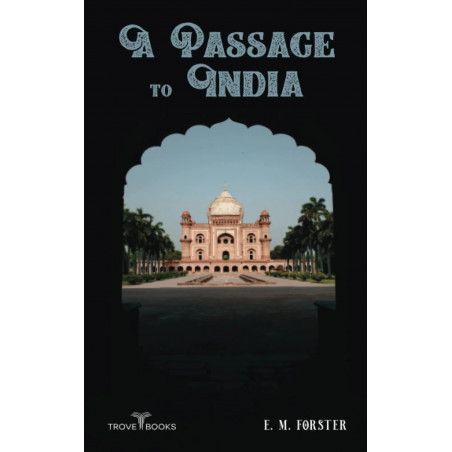
| Title | A Passage to India |
| Author | E. M. Forster |
| ISBN-13 | 9789395221948 |
| Publication | NEWGEN TROVE BOOKS |
"A Passage to India" is a novel by E.M. Forster, first published in 1924. The novel is set against the backdrop of British colonial rule in India in the early 20th century and explores themes such as race, imperialism, friendship, and the clash of cultures. The story follows the experiences of Dr. Aziz, a young Indian Muslim doctor, and his interactions with a group of British expatriates living in India. Aziz befriends a British schoolteacher named Cyril Fielding, who is more sympathetic to the Indian people than many of his compatriots. However, their friendship is tested when Aziz is falsely accused of assaulting a British woman named Adela Quested during a visit to the Marabar Caves. The novel examines the complexities of colonialism and the relationship between the colonizer and the colonized. Forster portrays the British characters as well-meaning but often ignorant and condescending towards the Indian people. He also highlights the cultural misunderstandings and prejudices that exist between the two groups. One of the central themes of the novel is the difficulty of establishing genuine connections and understanding between people from different cultural backgrounds. Forster explores the limitations of empathy and communication, as well as the role of power dynamics in shaping relationships. "A Passage to India" is considered one of Forster's greatest works and a masterpiece of 20th-century literature. It is praised for its insightful portrayal of colonialism and its complex characters, as well as its lyrical prose and evocative descriptions of the Indian landscape. The novel has been widely studied and adapted into various forms, including a highly acclaimed film directed by David Lean in 1984.
 For General Enquiries E-mail support@madrasshoppe.com
 COD Available. Delivery Time 4 - 7 Working Days in India.
 Trusted by over 100K+ customers. Verified and Trusted RazorPay Online Payment
"A Passage to India" is a novel by E.M. Forster, first published in 1924. The novel is set against the backdrop of British colonial rule in India in the early 20th century and explores themes such as race, imperialism, friendship, and the clash of cultures. The story follows the experiences of Dr. Aziz, a young Indian Muslim doctor, and his interactions with a group of British expatriates living in India. Aziz befriends a British schoolteacher named Cyril Fielding, who is more sympathetic to the Indian people than many of his compatriots. However, their friendship is tested when Aziz is falsely accused of assaulting a British woman named Adela Quested during a visit to the Marabar Caves. The novel examines the complexities of colonialism and the relationship between the colonizer and the colonized. Forster portrays the British characters as well-meaning but often ignorant and condescending towards the Indian people. He also highlights the cultural misunderstandings and prejudices that exist between the two groups. One of the central themes of the novel is the difficulty of establishing genuine connections and understanding between people from different cultural backgrounds. Forster explores the limitations of empathy and communication, as well as the role of power dynamics in shaping relationships. "A Passage to India" is considered one of Forster's greatest works and a masterpiece of 20th-century literature. It is praised for its insightful portrayal of colonialism and its complex characters, as well as its lyrical prose and evocative descriptions of the Indian landscape. The novel has been widely studied and adapted into various forms, including a highly acclaimed film directed by David Lean in 1984.
E. M. Forster is the author of A Passage to India.
Disclaimer:
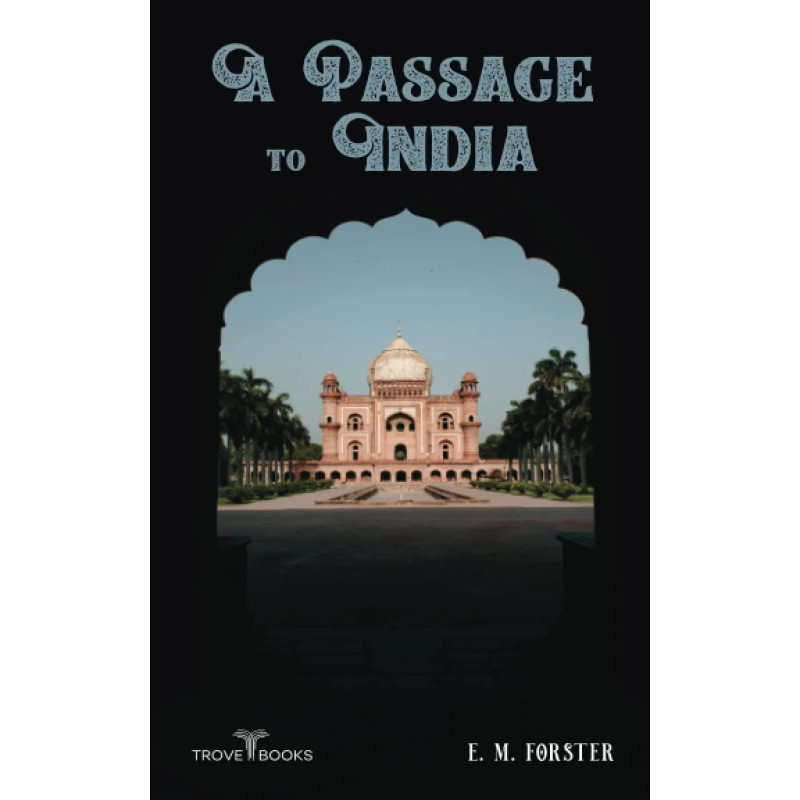
| Title | A Passage to India |
| Author | E. M. Forster |
| ISBN-13 | 9789395221948 |
| Publication | NEWGEN TROVE BOOKS |
"A Passage to India" is a novel by E.M. Forster, first published in 1924. The novel is set against the backdrop of British colonial rule in India in the early 20th century and explores themes such as race, imperialism, friendship, and the clash of cultures. The story follows the experiences of Dr. Aziz, a young Indian Muslim doctor, and his interactions with a group of British expatriates living in India. Aziz befriends a British schoolteacher named Cyril Fielding, who is more sympathetic to the Indian people than many of his compatriots. However, their friendship is tested when Aziz is falsely accused of assaulting a British woman named Adela Quested during a visit to the Marabar Caves. The novel examines the complexities of colonialism and the relationship between the colonizer and the colonized. Forster portrays the British characters as well-meaning but often ignorant and condescending towards the Indian people. He also highlights the cultural misunderstandings and prejudices that exist between the two groups. One of the central themes of the novel is the difficulty of establishing genuine connections and understanding between people from different cultural backgrounds. Forster explores the limitations of empathy and communication, as well as the role of power dynamics in shaping relationships. "A Passage to India" is considered one of Forster's greatest works and a masterpiece of 20th-century literature. It is praised for its insightful portrayal of colonialism and its complex characters, as well as its lyrical prose and evocative descriptions of the Indian landscape. The novel has been widely studied and adapted into various forms, including a highly acclaimed film directed by David Lean in 1984.