
- New
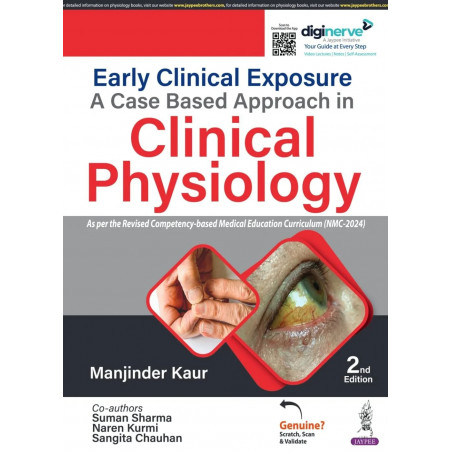
| Title | Early Clinical Exposure: A Case Based Approach in Clinical Physiology, 2/E | Case-Based Physiology for MBBS 1st Year Students with Clinical Correlation Flowcharts, Tables & Diagrams (NMC CBME 2024) |
| Author | Manjinder Kaur, Suman Sharma, Naren Kurmi, Sangita Chauhan, & 1 More |
| ISBN-13 | 9789366168265 |
| Publication | Jaypee Brothers Medical Publishers |
 For General Enquiries E-mail support@madrasshoppe.com
 COD Available. Delivery Time 4 - 7 Working Days in India.
 Trusted by over 100K+ customers. Verified and Trusted RazorPay Online Payment
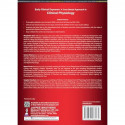
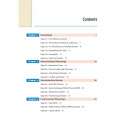
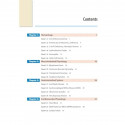
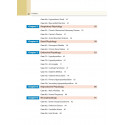
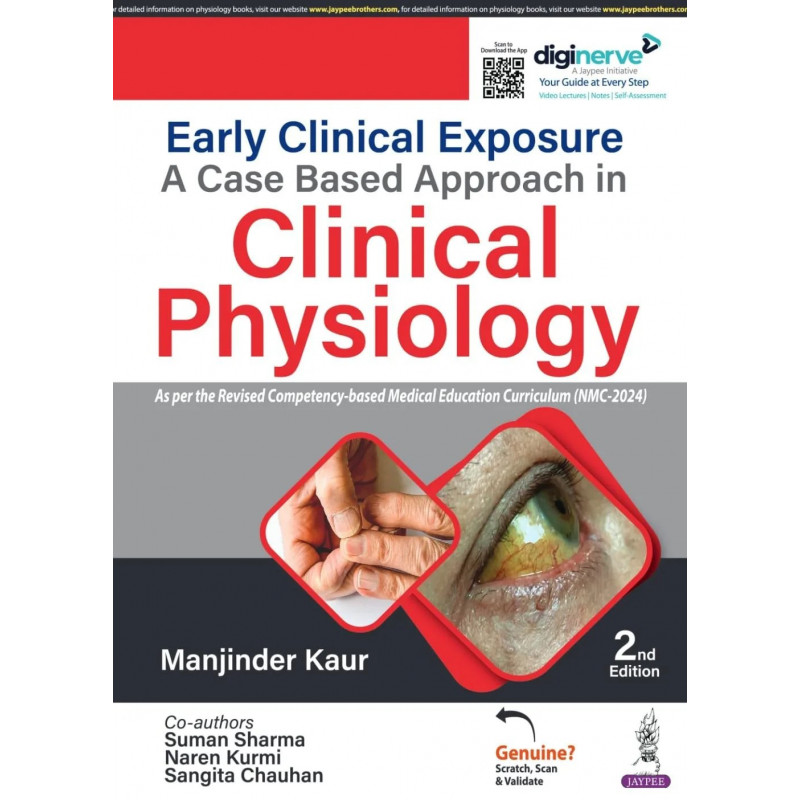
Early Clinical Exposure: A Case Based Approach in Clinical Physiology , 2/E puts first-year MBBS physiology into a clinical context from day one, mapping each topic to real patient presentations as intended by the Early Clinical Exposure (ECE) component of the NMC's Competency-Based Medical Education (CBME) curriculum. Thoroughly updated to the Revised CBME Curriculum (NMC 2024), the book works through 41 clinical cases across 11 systems-based chapters, pairing every case with laboratory investigations, review questions, and a step-by-step explanation of the physiological basis of the disease. Each case opens with a patient vignette and laboratory investigation panel, is mapped to curriculum competency codes and defined learning objectives, and closes with a structured discussion covering provisional diagnosis, classification, and pathophysiology, backed by comparative tables and flowcharts. The case-based format is designed to be read alongside standard physiology textbooks, reinforcing theory by showing exactly how deranged physiology produces the symptoms, signs and lab values seen at the bedside. Who This Book Is For: MBBS 1st Year Students: studying Physiology under the NMC CBME curriculum, who need to connect classroom physiology to real patient presentations for the Early Clinical Exposure (ECE) component, viva, OSPE and university exams. Why This Book Helps: Bridges rote learning and clinical reasoning: connects lab values and symptoms to the underlying physiological mechanism instead of memorizing definitions in isolation. Builds exam-ready reasoning skills: trains the exact case-based thinking tested in viva, OSPE, and case-based university exam questions. Reinforces classroom learning: designed to be read alongside standard physiology textbooks, showing exactly how deranged physiology produces the symptoms, signs, and lab values seen at the bedside. Keeps study aligned to curriculum: every case is mapped to CBME competency codes and defined learning objectives, so revision time targets exactly what NMC expects. Turns passive reading into self-assessment: structured review questions after every case let you test understanding immediately, before moving to the next topic. Key Features: 41 clinical cases across 11 systems-based chapters - Hematology, Musculoskeletal, Gastrointestinal, Cardiovascular, Respiratory, Renal, Endocrine, Reproductive, Neurophysiology, Special Senses, and Chromosomal Aberrations. Each case follows a fixed template: PY-numbered CBME competency codes, a patient vignette with laboratory investigations and reference ranges, and 4-8 structured review questions. Comparative and classification tables (for example, etiological, morphological, and clinical classification of anemia) paired with flowchart figures linking mechanism to clinical signs. Labelled diagrams (for example, iron absorption from the GIT) and interactive flowcharts contributed by the co-authoring faculty team. Thoroughly updated as per the Revised Competency-Based Medical Education Curriculum (NMC 2024), including new cases added as per syllabus.
Manjinder Kaur, Suman Sharma, Naren Kurmi, Sangita Chauhan, & 1 More is the author of Early Clinical Exposure: A Case Based Approach in Clinical Physiology, 2/E | Case-Based Physiology for MBBS 1st Year Students with Clinical Correlation Flowcharts, Tables & Diagrams (NMC CBME 2024).
Disclaimer:
| Title | Early Clinical Exposure: A Case Based Approach in Clinical Physiology, 2/E | Case-Based Physiology for MBBS 1st Year Students with Clinical Correlation Flowcharts, Tables & Diagrams (NMC CBME 2024) |
| Author | Manjinder Kaur, Suman Sharma, Naren Kurmi, Sangita Chauhan, & 1 More |
| ISBN-13 | 9789366168265 |
| Publication | Jaypee Brothers Medical Publishers |