
- New
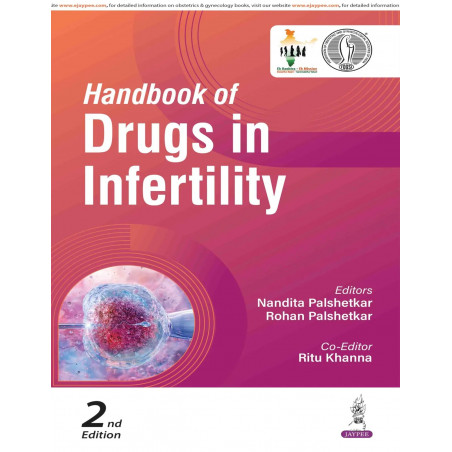

| Title | Handbook of Drugs in Infertility, 2/E for Gynecologists, Fertility Specialists and PG Students | FOGSI-Endorsed Drug Guide Covering Ovulation Induction, ART Protocols and Luteal Phase Support: 1 |
| Author | Nandita Palshetkar, Rohan Palshetkar, Ritu Khanna, & 0 More |
| ISBN-13 | 9789366164182 |
| Publication | Jaypee Brothers Medical Publishers |
 For General Enquiries E-mail support@madrasshoppe.com
 COD Available. Delivery Time 4 - 7 Working Days in India.
 Trusted by over 100K+ customers. Verified and Trusted Cashfree Online Payment
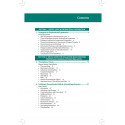
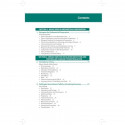
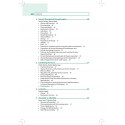
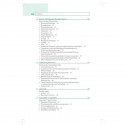
Handbook of Drugs in Infertility, 2nd Edition is a FOGSI-endorsed, updated handbook covering the mechanisms, indications, dosing, monitoring and safety of drugs used across the entire infertility and ART treatment cycle. This second edition incorporates the latest advances, research evidence and treatment protocols in infertility pharmacology, organized so a clinician can find and apply the right drug information at the point of care rather than searching through a general pharmacology text. Across 29 chapters, the book maps the full ART-cycle drug pathway in the order it is actually used in practice: endometrial preparation (estrogens), ovulation induction and controlled ovarian hyperstimulation (clomiphene citrate, recombinant FSH, human menopausal gonadotropins, luteinizing hormone, letrozole, tamoxifen), trigger (human chorionic gonadotropin), downregulation (GnRH agonists and antagonists, oral contraceptive pills, synthetic progestins, oral GnRH antagonists), luteal phase support (natural micronized progesterone, dydrogesterone), and adjuvant therapies including options for recurrent implantation failure. Each chapter follows a clinically oriented, evidence-based format built for outpatient and ART practice, with comparative tables setting out drug formulations, routes and protocols side by side, and dedicated Clinical Implications and Complications/Side Effects sections referenced against current literature. Who This Book Is For: Gynecologists and Fertility Specialists: a chair-side pharmacology reference for individualized, evidence-based therapy in day-to-day outpatient and ART practice. Reproductive Medicine Specialists and ART Consultants: chapter-by-chapter drug-class coverage across the entire ovulation-to-luteal-support treatment pathway. Fellows and Postgraduate Students: structured guidance in infertility drug therapy for trainees building ART prescribing competence. Why This Book Helps: Simplifies complex drug protocols: organizes every drug class by clinical use-case, from endometrial preparation through adjuvant therapy, instead of a generic alphabetical drug list. Supports individualized therapy decisions: comparative tables of formulations, protocols and side-effect profiles help match the right drug and dose to the right patient. Keeps pace with current evidence: the updated second edition reflects the latest research and treatment protocols in infertility pharmacology. Written by practicing ART specialists: authored and edited by clinicians actively practicing reproductive medicine, keeping the content clinically relevant and applicable. Key Features: 29 chapters mapping the complete ART-cycle drug pathway across 6 sections, from endometrial preparation to adjuvants for recurrent implantation failure. Comparative tables covering drug formulations, administration protocols and side-effect/complication management for each drug class. Dedicated chapters on newer oral GnRH antagonists (elagolix, relugolix, linzagolix) alongside established agents. Separate adjuvant chapters covering growth hormone, DHEA, sirtuins, betaine, and recurrent-implantation-failure adjuvants (sildenafil citrate, low-molecular-weight heparin, corticosteroids, G-CSF, lymphocyte immunization therapy). Published in association with FOGSI, with a multi-author, FOGSI-affiliated contributor panel spanning reproductive medicine specialists across India.
Nandita Palshetkar, Rohan Palshetkar, Ritu Khanna, & 0 More is the author of Handbook of Drugs in Infertility, 2/E for Gynecologists, Fertility Specialists and PG Students | FOGSI-Endorsed Drug Guide Covering Ovulation Induction, ART Protocols and Luteal Phase Support: 1.
Disclaimer:
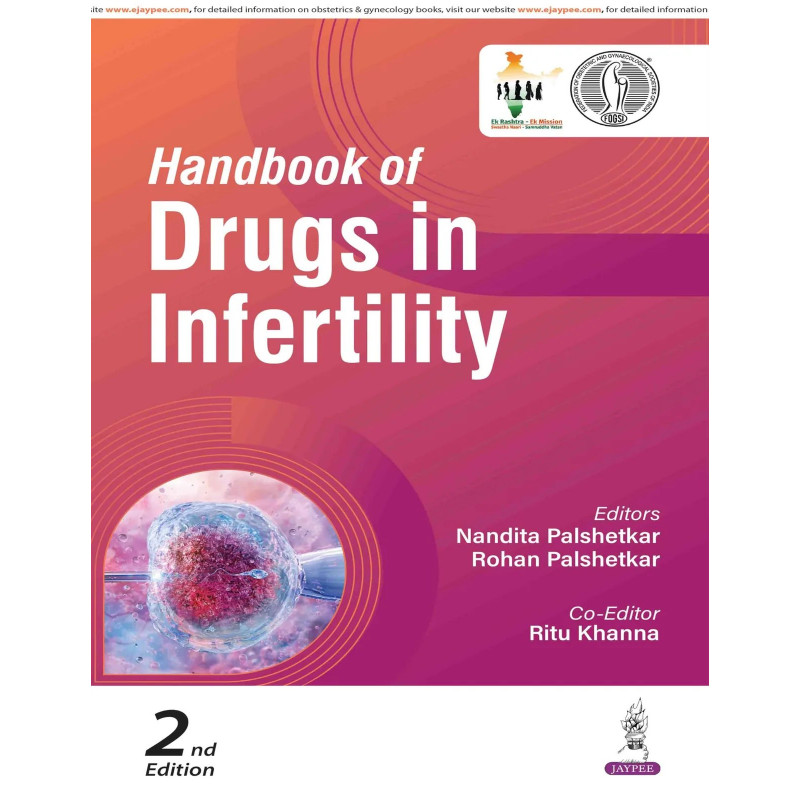
| Title | Handbook of Drugs in Infertility, 2/E for Gynecologists, Fertility Specialists and PG Students | FOGSI-Endorsed Drug Guide Covering Ovulation Induction, ART Protocols and Luteal Phase Support: 1 |
| Author | Nandita Palshetkar, Rohan Palshetkar, Ritu Khanna, & 0 More |
| ISBN-13 | 9789366164182 |
| Publication | Jaypee Brothers Medical Publishers |