
- New
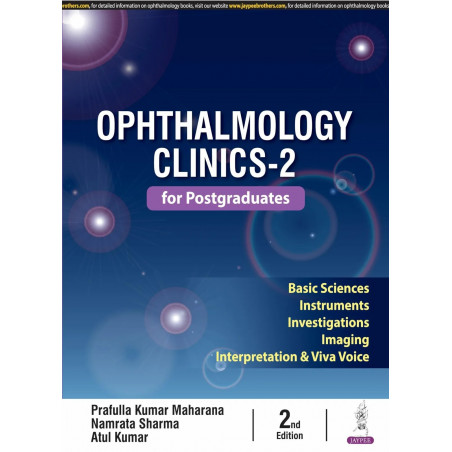

| Title | Ophthalmology Clinics-2 for Postgraduates, 2/E for MS, MD and DNB Ophthalmology Residents | Instruments, Investigations, Ocular Imaging with Basic Sciences and Viva Voce Preparation: 1 |
| Author | Prafulla Kumar Maharana, Namrata Sharma, Atul Kumar, & 0 More |
| ISBN-13 | 9789366161273 |
| Publication | Jaypee Brothers Medical Publishers |
 For General Enquiries E-mail support@madrasshoppe.com
 COD Available. Delivery Time 4 - 7 Working Days in India.
 Trusted by over 100K+ customers. Verified and Trusted Cashfree Online Payment
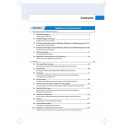
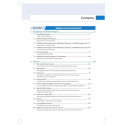
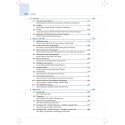
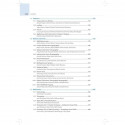
Ophthalmology Clinics-2 for Postgraduates, 2nd Edition is an examination-oriented guide to the appliances, instruments, investigations and imaging used across ophthalmology, and to interpreting what they produce. It is written by faculty of the Dr Rajendra Prasad Centre for Ophthalmic Sciences, AIIMS, New Delhi, and is aimed squarely at what postgraduate students face in written papers, practicals and viva voce. The book is organised into three sections. Section 1, Appliances and Instruments, works subspecialty by subspecialty: oculoplasty and orbital imaging; cornea (slit-lamp, keratometry, Pentacam, aberrometry, anterior segment OCT, specular microscopy, pachymetry, Orbscan, corneal biomechanics); cataract (IOL master, LenStar, A-scan); retina and uvea (fundus fluorescein and indocyanine green angiography, OCT and OCT angiography, electroretinogram, multispot laser, adaptive optics, ultra-widefield imaging, vitreoretinal instruments); glaucoma (gonioscopy, tonometry, optic nerve head evaluation, perimetry, ultrasound biomicroscopy, Heidelberg retina tomograph); and squint and neuro-ophthalmology (Hess chart, synoptophore, binocular vision tests). Section 2, Basic Sciences, covers pathology basics, ocular microbiology and community ophthalmology. Section 3 is dedicated to interpretation of ophthalmic images and reports. Each instrument or investigation is presented with its principle, technique, output and how to read the result, illustrated with clinical images, comparison tables and worked examples so that a candidate can both describe the appliance for a viva and interpret a report at the console. Who This Book Is For: Ophthalmology residents: MS, MD, DNB and Diploma trainees preparing for university and board written papers, practicals and instruments viva. Practising ophthalmologists: clinicians who need a concise refresher on interpreting the newer imaging and diagnostic tools in day-to-day practice. Why This Book Helps: Targets the instruments viva: gathers the appliances and instruments questions that are a universal part of the ophthalmology practical exam. Teaches interpretation, not just description: shows how to read angiography, OCT, perimetry and biometry outputs and reach a diagnosis. Covers the basic-science papers: ocular microbiology, pathology basics and community ophthalmology in the form PG examinations ask them. Keeps pace with current tools: OCT angiography, ultra-widefield imaging, adaptive optics, corneal biomechanics and specular microscopy alongside the classic instruments. Organises by subspecialty: oculoplasty, cornea, cataract, retina, glaucoma and squint each handled as its own set for focused revision. Key Features: Three sections: Appliances and Instruments, Basic Sciences, and Interpretation of Images and Reports. Subspecialty-wise coverage of slit-lamp, keratometry, Pentacam, OCT and OCT angiography, angiography, perimetry, gonioscopy, biometry, synoptophore and vitreoretinal instruments. Dedicated interpretation section with worked reading of ophthalmic images and reports. Basic sciences for PG papers: ocular microbiology, pathology basics and community ophthalmology. Clinical images, comparison tables and principle-technique-output structure for each investigation.
Prafulla Kumar Maharana, Namrata Sharma, Atul Kumar, & 0 More is the author of Ophthalmology Clinics-2 for Postgraduates, 2/E for MS, MD and DNB Ophthalmology Residents | Instruments, Investigations, Ocular Imaging with Basic Sciences and Viva Voce Preparation: 1.
Disclaimer:
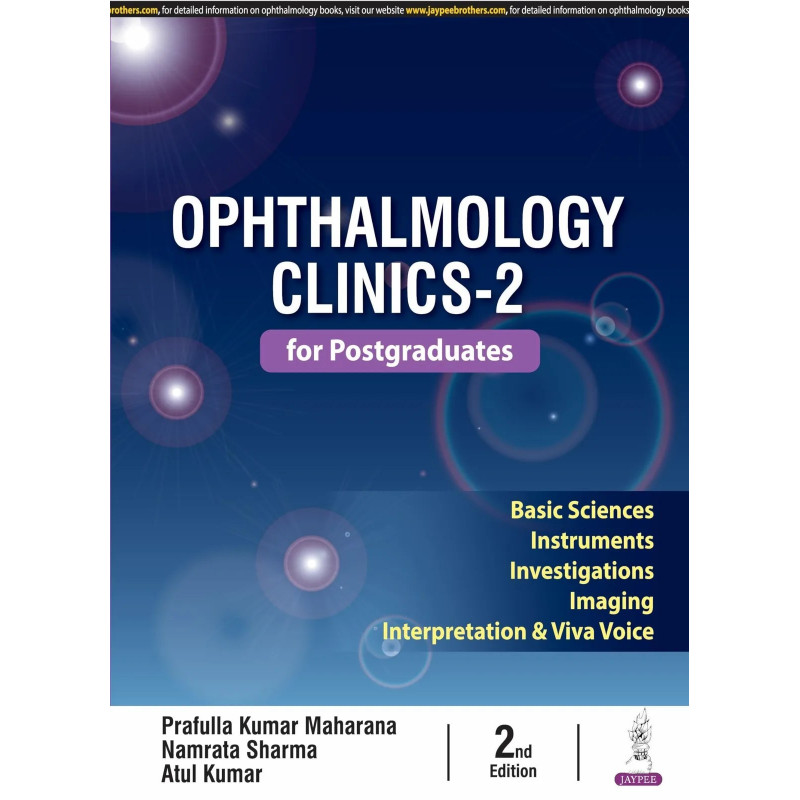
| Title | Ophthalmology Clinics-2 for Postgraduates, 2/E for MS, MD and DNB Ophthalmology Residents | Instruments, Investigations, Ocular Imaging with Basic Sciences and Viva Voce Preparation: 1 |
| Author | Prafulla Kumar Maharana, Namrata Sharma, Atul Kumar, & 0 More |
| ISBN-13 | 9789366161273 |
| Publication | Jaypee Brothers Medical Publishers |