
- New
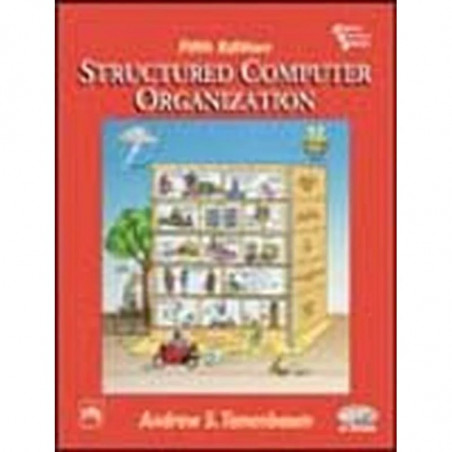
| Title | Structured Computer Organization |
| Author | Tanenbaum Andrew S. |
| ISBN-13 | 9788120329133 |
| Publication | PHI-PARALLEL |
Intended as a text for undergraduate and postgraduate students offering courses in Computer Organization and Architecture, this well-established book from a highly acclaimed author on Computer Science continues to cover the fundamental concepts expounded in the earlier editions. These concepts are based on the principle that a computer can be regarded as a hierarchy of levels-the digital logic level, the microarchitecture level, the instruction set architecture level, the operating system machine level, and the assembly language level-each one performing some well-defined functions. What distinguishes this Fifth Edition, however, is that, while building on the strength of the previous edition, it presents the most recent trends, tools, and techniques, including PCI express, modern multicomputer systems, and network processors that reflect the changes which have taken place during the intervening period. The text also covers today's most popular I/O devices, including digital cameras, DSL, and Internet over cable, and the current example machines such as Pentium 4, UltraSPARC III, and 8051 (used in embedded systems). A large number of diagrams, problems at the end of each chapter, tables, and a comprehensive Bibliography enhance the value of the text which will be treasured by students for its utility, worth, and contemporary approach. Table of Contents Preface. 1. Introduction. 2. Computer Systems Organization. 3. The Digital Logic Level. 4. The Microarchitecture Level. 5. The Instruction Set Architecture Level. 6. The Operating System Machine Level. 7. The Assembly Language Level. 8. Parallel Computer Architectures. 9. Reading List and Bibliography. A. Binary Numbers. B. Floating-Point Numbers. C. Assembly Language Programming. Index.
 For General Enquiries E-mail support@madrasshoppe.com
 COD Available. Delivery Time 4 - 7 Working Days in India.
 Trusted by over 100K+ customers. Verified and Trusted Cashfree Online Payment
Intended as a text for undergraduate and postgraduate students offering courses in Computer Organization and Architecture, this well-established book from a highly acclaimed author on Computer Science continues to cover the fundamental concepts expounded in the earlier editions. These concepts are based on the principle that a computer can be regarded as a hierarchy of levels-the digital logic level, the microarchitecture level, the instruction set architecture level, the operating system machine level, and the assembly language level-each one performing some well-defined functions. What distinguishes this Fifth Edition, however, is that, while building on the strength of the previous edition, it presents the most recent trends, tools, and techniques, including PCI express, modern multicomputer systems, and network processors that reflect the changes which have taken place during the intervening period. The text also covers today's most popular I/O devices, including digital cameras, DSL, and Internet over cable, and the current example machines such as Pentium 4, UltraSPARC III, and 8051 (used in embedded systems). A large number of diagrams, problems at the end of each chapter, tables, and a comprehensive Bibliography enhance the value of the text which will be treasured by students for its utility, worth, and contemporary approach. Table of Contents Preface. 1. Introduction. 2. Computer Systems Organization. 3. The Digital Logic Level. 4. The Microarchitecture Level. 5. The Instruction Set Architecture Level. 6. The Operating System Machine Level. 7. The Assembly Language Level. 8. Parallel Computer Architectures. 9. Reading List and Bibliography. A. Binary Numbers. B. Floating-Point Numbers. C. Assembly Language Programming. Index.
Tanenbaum Andrew S. is the author of Structured Computer Organization.
Disclaimer:
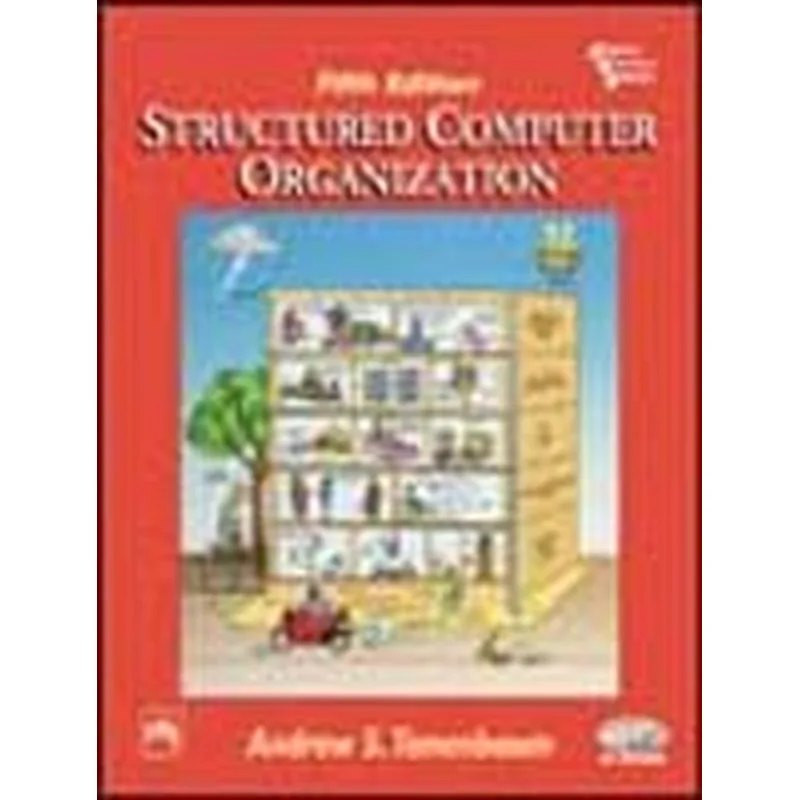
| Title | Structured Computer Organization |
| Author | Tanenbaum Andrew S. |
| ISBN-13 | 9788120329133 |
| Publication | PHI-PARALLEL |
Intended as a text for undergraduate and postgraduate students offering courses in Computer Organization and Architecture, this well-established book from a highly acclaimed author on Computer Science continues to cover the fundamental concepts expounded in the earlier editions. These concepts are based on the principle that a computer can be regarded as a hierarchy of levels-the digital logic level, the microarchitecture level, the instruction set architecture level, the operating system machine level, and the assembly language level-each one performing some well-defined functions. What distinguishes this Fifth Edition, however, is that, while building on the strength of the previous edition, it presents the most recent trends, tools, and techniques, including PCI express, modern multicomputer systems, and network processors that reflect the changes which have taken place during the intervening period. The text also covers today's most popular I/O devices, including digital cameras, DSL, and Internet over cable, and the current example machines such as Pentium 4, UltraSPARC III, and 8051 (used in embedded systems). A large number of diagrams, problems at the end of each chapter, tables, and a comprehensive Bibliography enhance the value of the text which will be treasured by students for its utility, worth, and contemporary approach. Table of Contents Preface. 1. Introduction. 2. Computer Systems Organization. 3. The Digital Logic Level. 4. The Microarchitecture Level. 5. The Instruction Set Architecture Level. 6. The Operating System Machine Level. 7. The Assembly Language Level. 8. Parallel Computer Architectures. 9. Reading List and Bibliography. A. Binary Numbers. B. Floating-Point Numbers. C. Assembly Language Programming. Index.