
- New
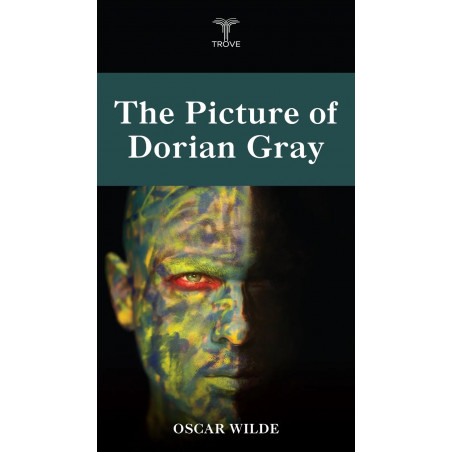
| Title | The Picture of Dorian Gray |
| Author | Oscar Wilde |
| ISBN-13 | 9788119303915 |
| Publication | NEWGEN TROVE BOOKS |
The Picture of Dorian Gray is a novel written by Oscar Wilde and published in 1890. It tells the story of a young man named Dorian Gray, who becomes the subject of a mysterious portrait that ages and bears the burdens of his immoral actions, while Dorian himself remains perpetually youthful and unblemished. The novel begins with Dorian, a handsome and innocent young man, who becomes infatuated with his own beauty after meeting the hedonistic Lord Henry Wotton. Under Lord Henry's influence, Dorian embraces a life of indulgence and pleasure, pursuing a relentless pursuit of aesthetic experiences and sensual gratification. As Dorian's debauchery deepens, he realizes that the portrait painted by his friend Basil Hallward bears the mark of his own moral decay. The portrait ages and shows the physical manifestations of Dorian's sins, while he retains his youthful appearance. Consumed by guilt and paranoia, Dorian hides the portrait in his attic, ensuring that his true nature remains hidden from the world. Wilde explores themes of morality, beauty and the duality of human nature. Dorian Gray serves as a symbol of the conflict between the pursuit of pleasure and the consequences of one's actions. Wilde critiques the superficial nature of society and the dangers of an unchecked desire for eternal youth and pleasure. The Picture of Dorian Gray was met with controversy upon its publication due to its exploration of decadence and its homoerotic undertones. Wilde's wit and clever dialogue, characteristic of his writing style, are interwoven with philosophical musings on art, morality and the nature of beauty.
 For General Enquiries E-mail support@madrasshoppe.com
 COD Available. Delivery Time 4 - 7 Working Days in India.
 Trusted by over 100K+ customers. Verified and Trusted RazorPay Online Payment
The Picture of Dorian Gray is a novel written by Oscar Wilde and published in 1890. It tells the story of a young man named Dorian Gray, who becomes the subject of a mysterious portrait that ages and bears the burdens of his immoral actions, while Dorian himself remains perpetually youthful and unblemished. The novel begins with Dorian, a handsome and innocent young man, who becomes infatuated with his own beauty after meeting the hedonistic Lord Henry Wotton. Under Lord Henry's influence, Dorian embraces a life of indulgence and pleasure, pursuing a relentless pursuit of aesthetic experiences and sensual gratification. As Dorian's debauchery deepens, he realizes that the portrait painted by his friend Basil Hallward bears the mark of his own moral decay. The portrait ages and shows the physical manifestations of Dorian's sins, while he retains his youthful appearance. Consumed by guilt and paranoia, Dorian hides the portrait in his attic, ensuring that his true nature remains hidden from the world. Wilde explores themes of morality, beauty and the duality of human nature. Dorian Gray serves as a symbol of the conflict between the pursuit of pleasure and the consequences of one's actions. Wilde critiques the superficial nature of society and the dangers of an unchecked desire for eternal youth and pleasure. The Picture of Dorian Gray was met with controversy upon its publication due to its exploration of decadence and its homoerotic undertones. Wilde's wit and clever dialogue, characteristic of his writing style, are interwoven with philosophical musings on art, morality and the nature of beauty.
Oscar Wilde is the author of The Picture of Dorian Gray.
Disclaimer:
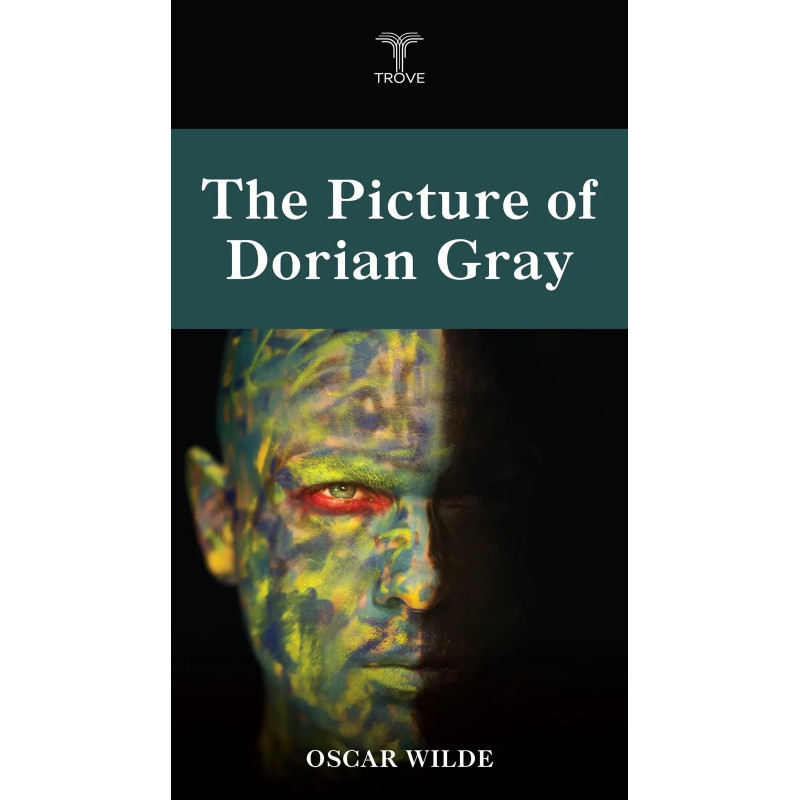
| Title | The Picture of Dorian Gray |
| Author | Oscar Wilde |
| ISBN-13 | 9788119303915 |
| Publication | NEWGEN TROVE BOOKS |
The Picture of Dorian Gray is a novel written by Oscar Wilde and published in 1890. It tells the story of a young man named Dorian Gray, who becomes the subject of a mysterious portrait that ages and bears the burdens of his immoral actions, while Dorian himself remains perpetually youthful and unblemished. The novel begins with Dorian, a handsome and innocent young man, who becomes infatuated with his own beauty after meeting the hedonistic Lord Henry Wotton. Under Lord Henry's influence, Dorian embraces a life of indulgence and pleasure, pursuing a relentless pursuit of aesthetic experiences and sensual gratification. As Dorian's debauchery deepens, he realizes that the portrait painted by his friend Basil Hallward bears the mark of his own moral decay. The portrait ages and shows the physical manifestations of Dorian's sins, while he retains his youthful appearance. Consumed by guilt and paranoia, Dorian hides the portrait in his attic, ensuring that his true nature remains hidden from the world. Wilde explores themes of morality, beauty and the duality of human nature. Dorian Gray serves as a symbol of the conflict between the pursuit of pleasure and the consequences of one's actions. Wilde critiques the superficial nature of society and the dangers of an unchecked desire for eternal youth and pleasure. The Picture of Dorian Gray was met with controversy upon its publication due to its exploration of decadence and its homoerotic undertones. Wilde's wit and clever dialogue, characteristic of his writing style, are interwoven with philosophical musings on art, morality and the nature of beauty.